


SingaporeMotherhood | Preschooler & Up
October 2026
More Than Screens: Technology & AI-forward Preschools in Singapore
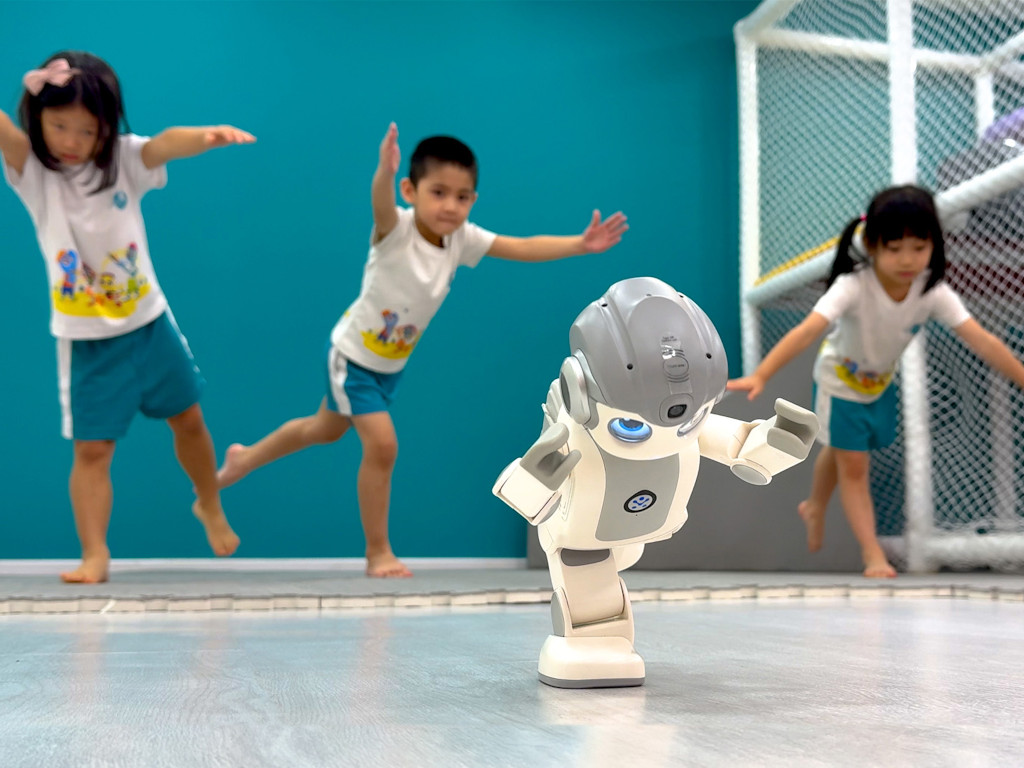
Technology and AI-forward preschools in Singapore are quietly on the rise. For many parents, that sparks a real dilemma. We are told to keep screens away from the very young. Yet technology is everywhere our children are heading. So what happens when a preschool chooses to teach with it on purpose?
A small but growing number of preschools now weave coding, robotics, and even AI into the early years. Supporters point to genuine gains. Through coding, young children practise sequencing, logical thinking, and problem-solving. When a robot misbehaves, they also learn to persevere and try again. Done well, these classrooms are not screen-heavy at all. Instead, they treat technology as one tool among many, inside a hands-on, play-based day.
This guide introduces six such technology and AI-forward preschools in Singapore. It also features three enrichment programmes for families who prefer a lighter touch. First, though, the question every parent is really asking.
(See also: Can Tech be Good for Kids? Yes, Says This Doctor)
How Much Screen Time Is Too Much?
The caution is well-placed. In May 2026, while launching the Screen Smart From The Start campaign, PM Lawrence Wong was blunt. For infants and babies under 18 months, he said, “The guidelines are very clear — zero screen time.” For ages 18 months to six, the Ministry of Health caps screen use at under an hour a day.
Reality, however, often falls short. Most preschoolers in Singapore already average 2.4 to 2.7 hours of screen time a day. That is well above the recommended limit, and research links it to poorer sleep, language delays, and higher BMI. Naturally, then, parents grow wary when a preschool starts talking about technology.
Yet the early childhood educators we spoke with pose a different question. The issue, they argue, is not how much screen time a child has, but what the child is doing with it. Dr Richard Yen, founder of Ednovation, points to “a vast difference between passive scrolling and active creation”. A child watching a video simply consumes. A child coding a robot is thinking.
In practice, that distinction changes everything. Coding often begins screen-free. Device time, if any, stays short and shared. A teacher stays beside the child throughout, asking questions and drawing out ideas. The screen earns its place only when it helps a child create, solve a problem, or communicate.
(See also: Is Excessive Screen Time or Device Addiction affecting your Child’s Mental Health?)
Technology and AI-forward Preschools in Singapore
1. Cambridge Pre-school
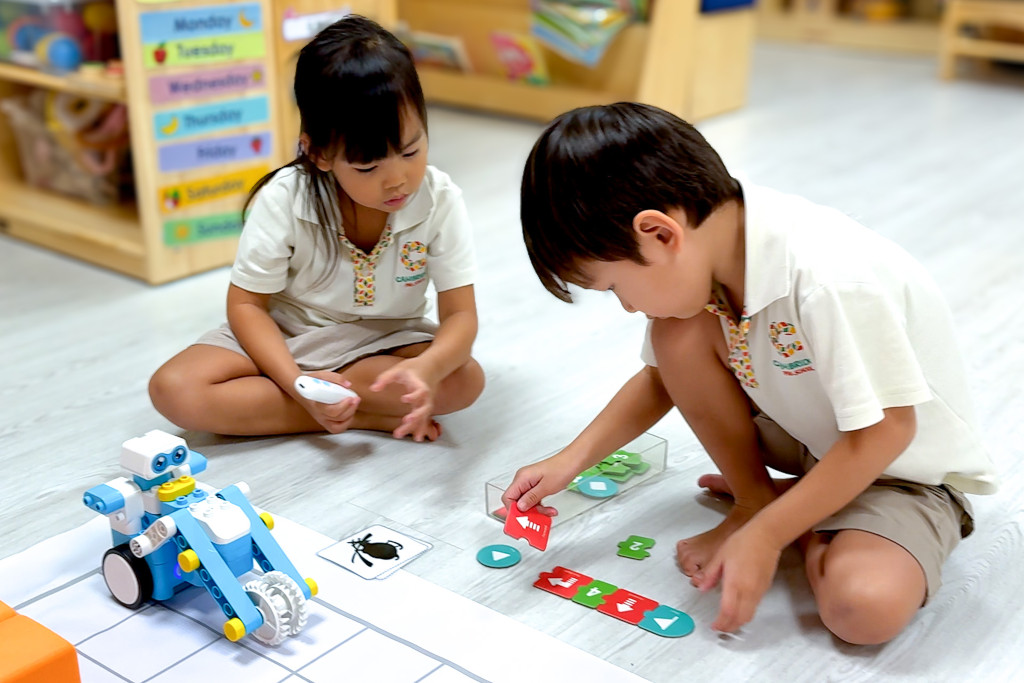
Cambridge Pre-school belongs to the Ednovation Group, a longtime pioneer of preschool technology. Its programme rests on iSTEAM, which stands for Innovation, Science, Technology, Engineering, Arts, and Mathematics. The guiding idea is a philosophy it calls ‘Thinking with Hands’. As a result, much of the learning stays screen-light or even screen-free.
In the classroom, lessons pose real-world challenges, rather than a screen to watch. Children might programme a robot to travel from the fire station to the hospital. First they plan the route, then they test it, and when it goes wrong, they work out why. Afterwards, they extend the idea, building the town with blocks, adding road signs, and drawing maps. Each year, the iSTEAM Carnival also invites parents to try the activities themselves.
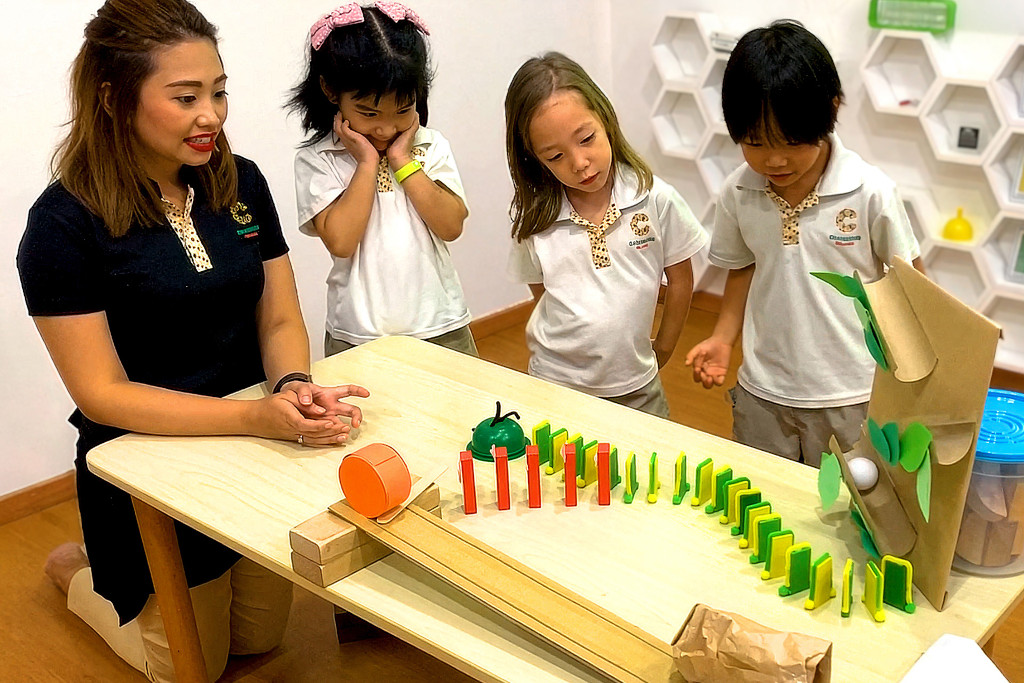
Where AI does appear, it works quietly in the background. Apps personalise each child’s revision and generate progress reports for teachers and parents. As curriculum development director Cheryl Francisco explains, “AI supports the teacher in providing individualised learning experiences, rather than offering a one-size-fits-all approach.”
Ages 18 months–6 years
Where 5 centres islandwide, with infant care from 2 months available at Holland and MacPherson
Web cambridge.school
2. ChildFirst Pre-school
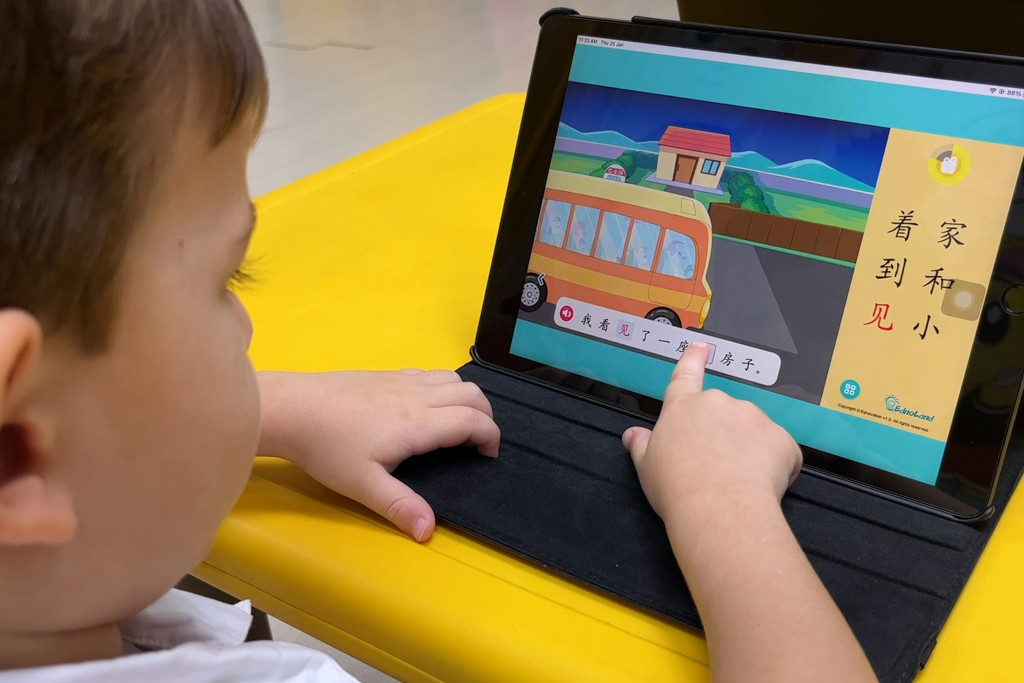
ChildFirst, also part of Ednovation, calls its curriculum trilingual: English, Chinese, and AI. By “AI as a third language,” founder Dr Yen means technology fluency, not literal conversation with a machine. Take, for example, its AI Chinese programme that acts as a personalised revision tutor. As a result, the school says, K2 children can recognise more than half of Primary 1 Chinese vocabulary before they leave.
Notably, ChildFirst delays screens rather than rushing them. Four-year-olds begin coding off-screen, using physical cards to programme robots. Only later do they progress to the likes of 3D game creation and driverless car projects. Coding a robot also shifts something subtle. Suddenly the child is the one giving instructions, which young children find empowering. And unlike a human classmate, the robot does not laugh when they get something wrong. That creates a safe space to fail, where a mistake is not a source of embarrassment, but simply information.
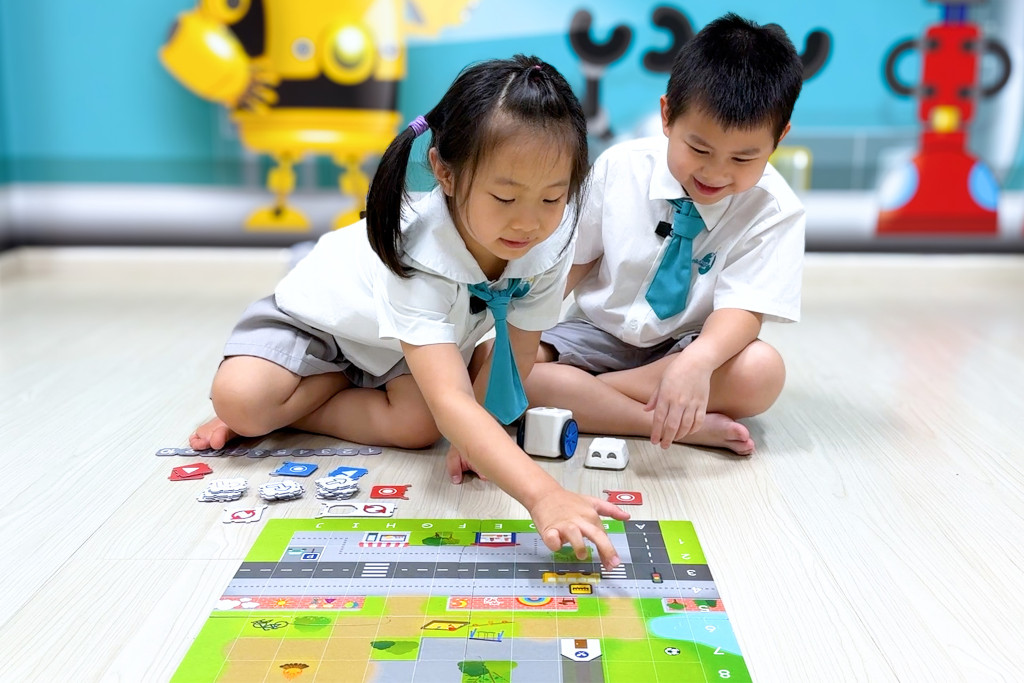
The flagship Robot Dance project, therefore, turns coding into teamwork and resilience. Children choreograph a routine, code the robots, test it, and try again when it fails. Dr Yen recalls one parent asking her son what he would do if he got stuck. The boy simply replied, “Then I’ll learn from the mistakes.” That mindset, Dr Yen believes, matters far more than any single skill.
Ages 18 months–6 years
Where 5 centres islandwide, with infant care from 2 months available at Kingsford Waterbay
Web childfirst.com.sg
3. Mulberry Learning
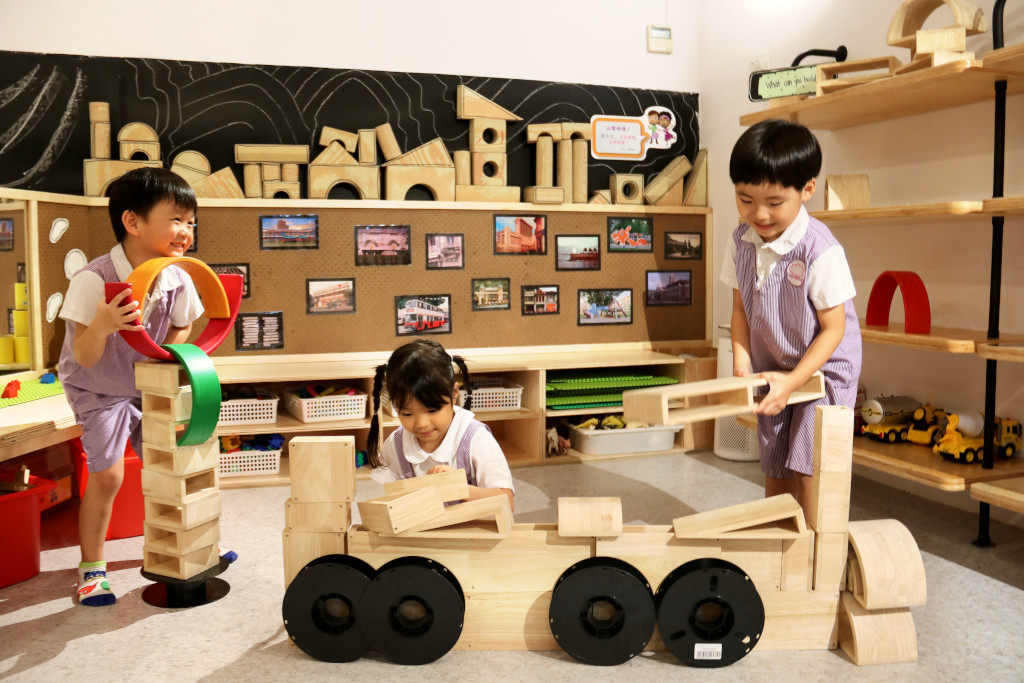
Mulberry Learning takes its lead from the Reggio Emilia approach, where the child leads the inquiry. The whole learning environment, instead of just a screen, acts as the ‘third teacher’. Within that, technology sits inside its iDevelop, iExplore, iLearn, and iExperience model. Notably, Mulberry is the world’s first preschool network certified by The Institute for Habits of Mind. This framework teaches dispositions like persisting, thinking flexibly, creating, and innovating.
Most of its technology learning happens without a screen at all, since today’s children will use tools in the future that don’t yet exist. Instead, children grasp concepts through experiments, construction, art, and educational games. Robotics and coding then fold into this wider hands-on suite. Screens appear only occasionally, for older preschoolers, and always with a teacher alongside.
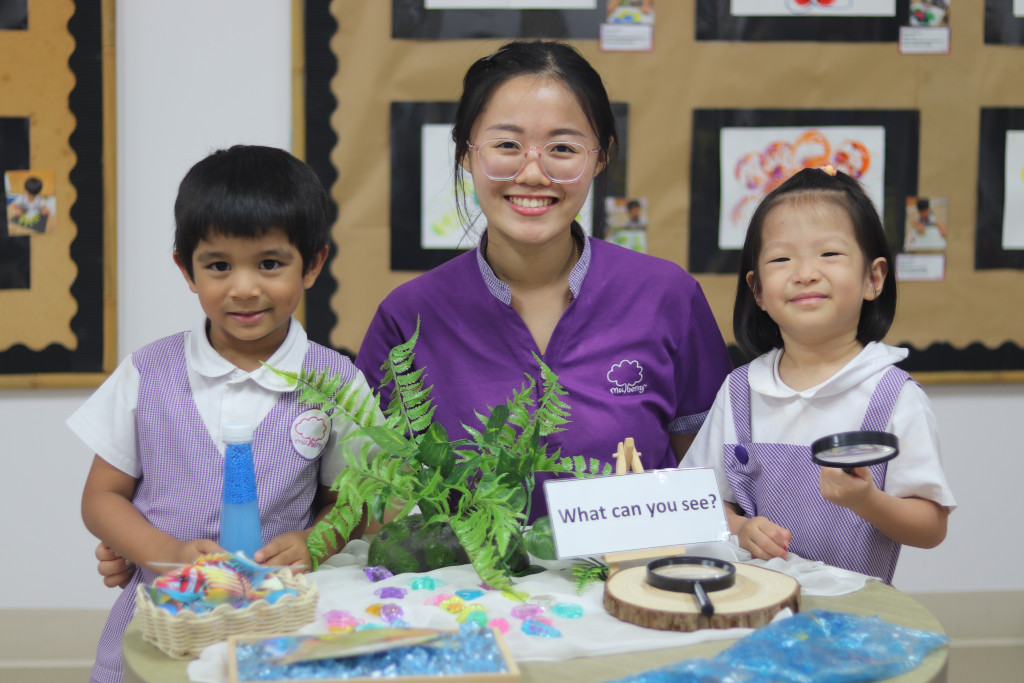
A standout programme is Project Inquiry, a research project that unfolds over four months. At the end, children present the findings of their investigations to the class, much like little scientists. The goal, says deputy CEO Peh Yi Han, is the Future Ready Child — a competent explorer and a creative problem-solver.
Ages 2 months–6 years
Where 23 centres islandwide
Web mulberrylearning.com
(See also: Singapore’s Only Preschool with Habits of Mind Framework – Where Preschoolers Learn like GEP Students!)
4. PCF Sparkletots Preschool
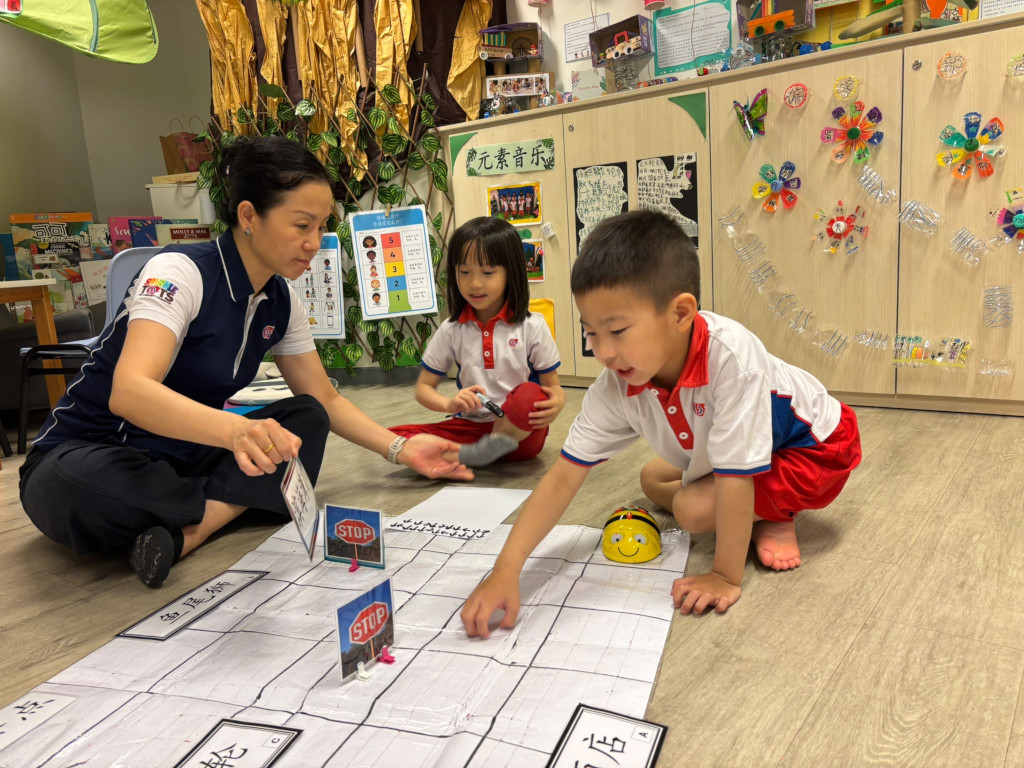
As Singapore’s largest preschool operator, PCF Sparkletots reaches families across the island. Its approach to technology is deliberately unplugged. The STEMIE programme covers Science, Technology, Engineering, Mathematics, Invention, and Entrepreneurship. Through it, children tackle real-life problems using a seven-step invention process, from experimenting to prototyping.
Technology, meanwhile, is layered in only where it genuinely adds value. For example, it can bring places and experiences into the classroom, and provide new ways for them to create and tell stories using digital avatars. But for the most part, children build computational thinking through sequencing games, physical coding toys, and logic puzzles. As director of Professional & Education Development, Angela Yang notes, a good AI prompt needs clear, step-by-step instructions, which is exactly the thinking these games nurture.
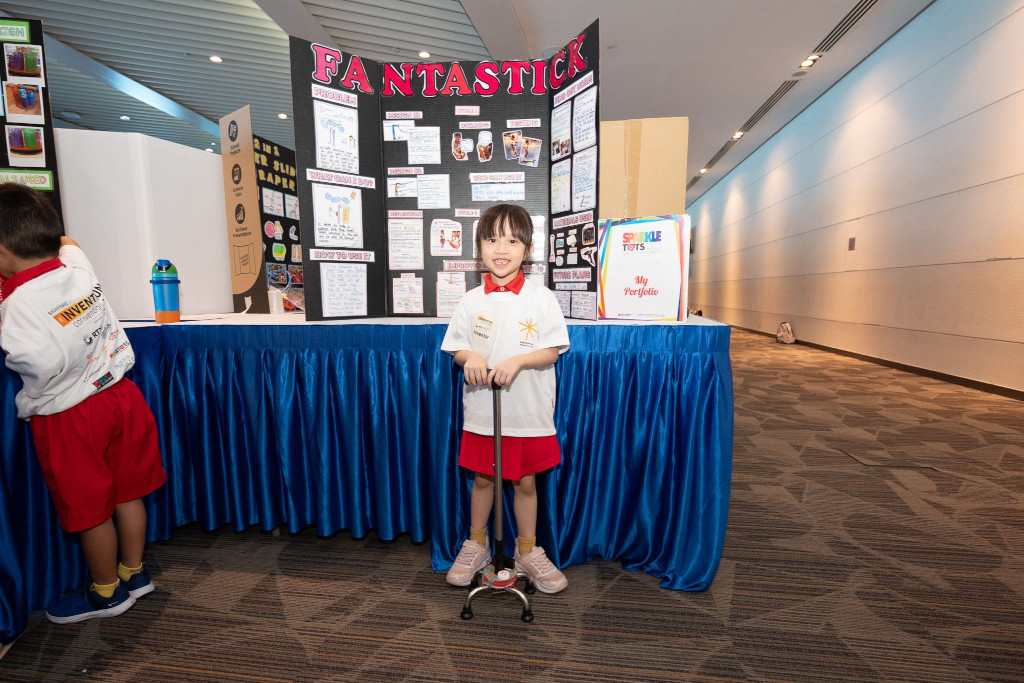
The results are tangible. More than 28,000 children have been through STEMIE, and the annual Future Ready Fair showcases their inventions. One pupil developed a walking aid with a fall sensor, and even presented it at the Singapore Invention Convention 2026. Ultimately, Ms Yang says, the aim is digital judgement — knowing when technology helps, how to use it safely and responsibly, and when to set it aside.
Ages 2 months–6 years
Where Over 300 centres islandwide
Web pcfsparkletots.org.sg
5. Skool4Kidz Preschool
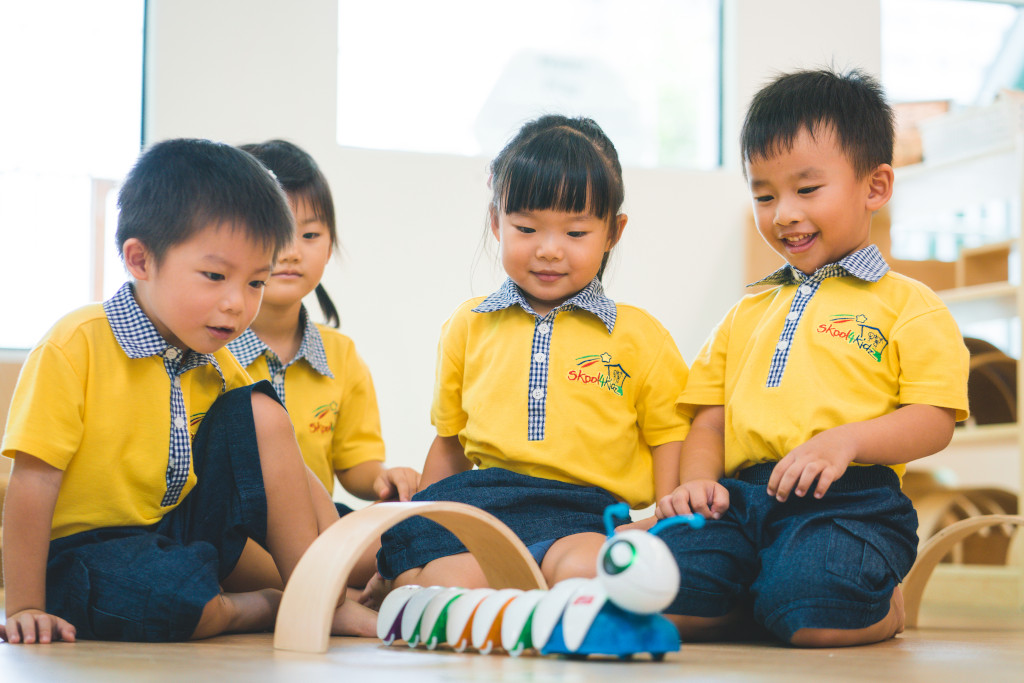
Skool4Kidz is an ECDA anchor operator, so quality and affordability sit at its core. Furthermore, every technology choice must pass its ‘APP’ test: appropriate, playful, and purposeful. Fittingly, the coding journey begins screen-free at age three. Children give directions and follow sequences, playing logic games using their bodies, cards, and floor mats. From there, they progress to screen-free floor robots such as the Robot Mouse and Bee-Bot.
By the kindergarten years, the tools evolve. In the TaleMap pilot, a K1 child might programme a Talebot Pro across a map they design themselves. They plan a route, predict what will happen, and fix mistakes, often while chatting with a friend. Through Project Reimagine, K2 children might use an iPad to photograph a plant they are growing, compare pictures, and talk about the changes. Under a teacher’s guidance, they also create stories with their own photos and voice recordings.
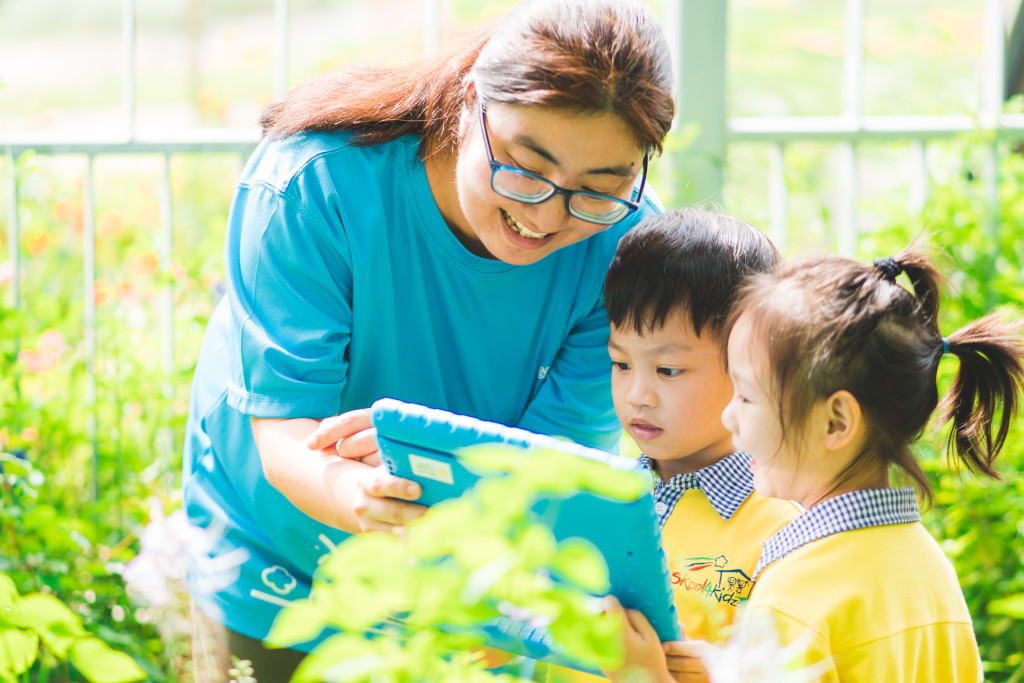
Much of what children make is designed to be shared. Their photo journals and digital stories reach families through the centre’s communication app, so parents follow the learning as it happens. During Hour of Code, parents even get to try coding robots with their children. Curriculum founder Dr Jane Ching-Kwan keeps her ambition simple. Above all, she hopes the children leave as confident, curious thinkers who are not afraid to make mistakes and try again.
Ages 9 months–6 years
Where 17 centres islandwide
Web skool4kidz.com.sg
6. XCL World Academy
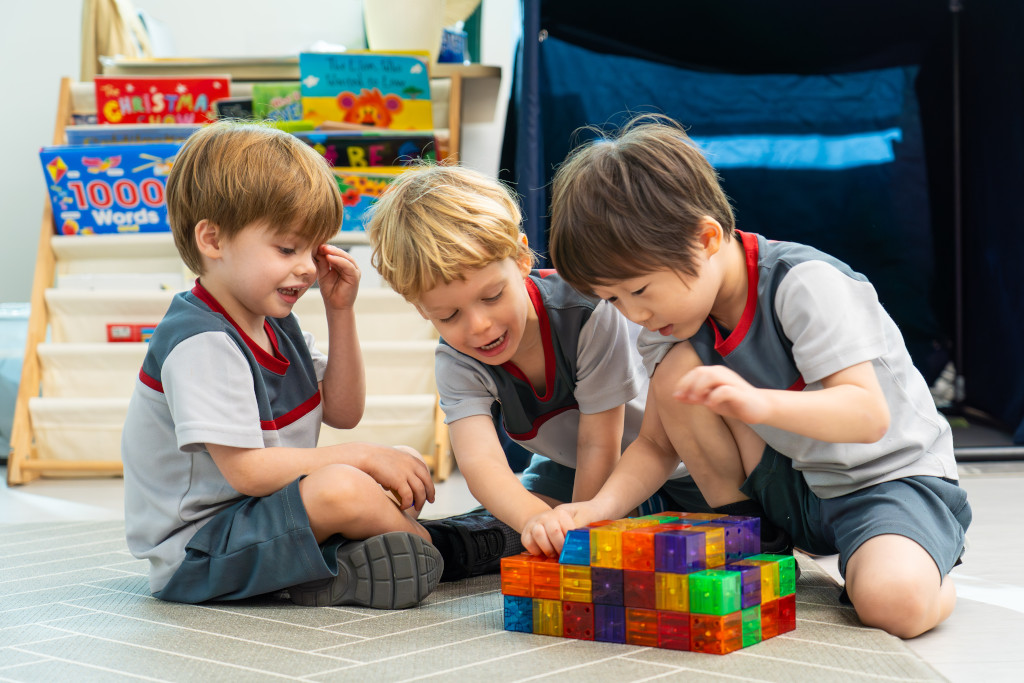
XCL World Academy is an international school that runs from Nursery to Grade 12 on its sprawling Yishun campus. Its guiding principle is straightforward: pedagogy before technology. Teachers first ask what children need to learn, then reach for a device only if it genuinely improves the experience. If blocks, paint, books, or outdoor play work better, those come first.
For its youngest learners, AI literacy does not start with chatbots. Instead, with two teachers facilitating in each classroom, it begins with learning to ask good questions, and to notice, wonder, predict, and explain. In one project, Grade 1 children wrote their own stories, then teamed up with a Grade 7 robotics class. The senior students programmed sound effects with micro:bits and attached them to the children’s own stuffed animals, so each character responded as its story was told.
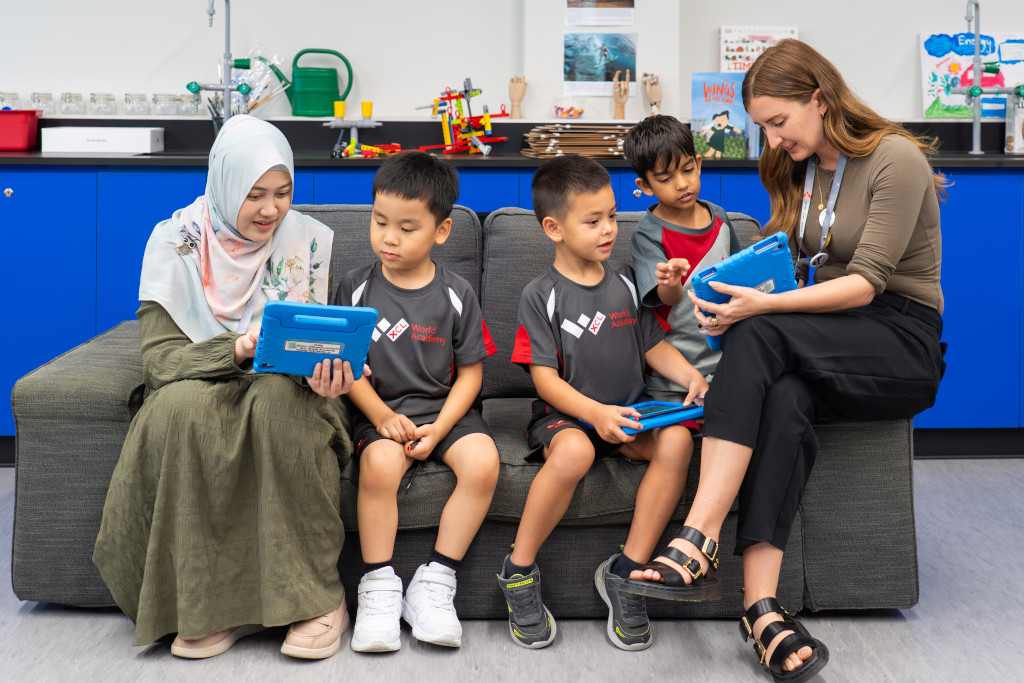
The real learning, says Early and Primary Years principal Justin Kirby, was about mood, audience, sequence, and collaboration, not the toy making noise. It jives with his approach of preparing children for a tech-rich future without making childhood tech-centred. Above all, Mr Kirby hopes children leave with their curiosity intact, believing that their questions matter, and that it’s fine when something doesn’t work the first time. His goal is thoughtful users of technology, but even more importantly, thoughtful people.
Ages 18 months–6 years (Early Years)
Where 2 Yishun Street 42
Web xwa.edu.sg
(See also: 12 Types of Preschools in Singapore: The Ultimate Guide)
Prefer a Lighter Touch? Consider Coding and STEAM Enrichment Programmes
Not every family wants a tech-forward preschool, of course. Some might prefer regular coding and STEAM sessions to complement a nature-based preschool, for example. While there are many such enrichment programmes in Singapore, these three stand out for their balanced approach.
Bricks 4 Kidz® Singapore
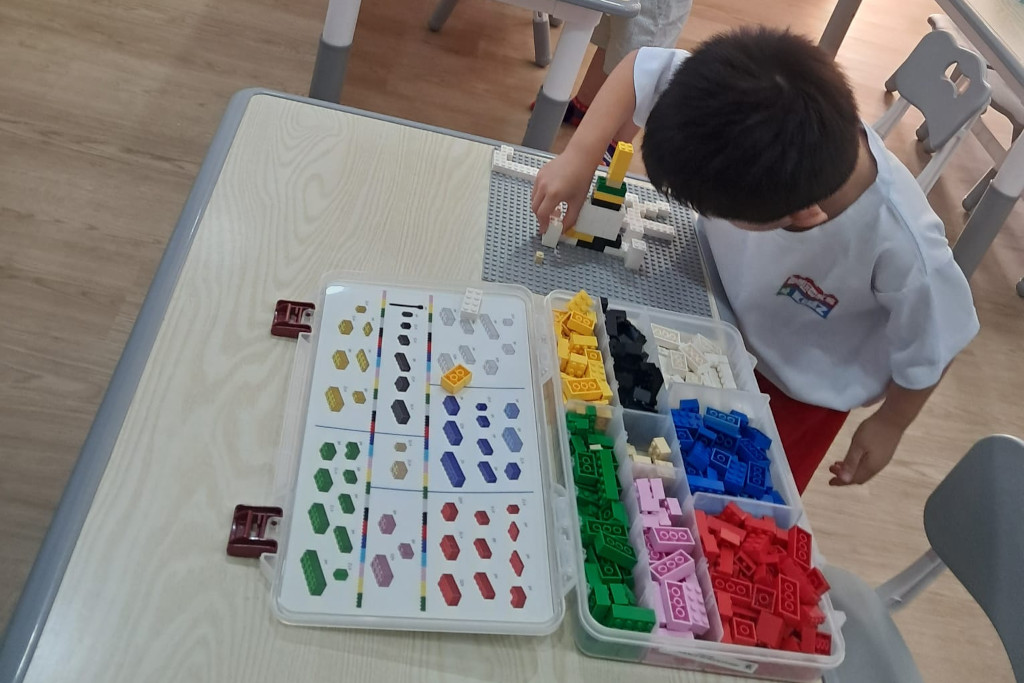
Bricks 4 Kidz teaches STEM through LEGO®, following a simple Learn, Build, Play rhythm. A child might explore gears by building a moving model, or investigate simple machines through a motorised build. At preschool level there is no coding and no personal devices, and any screen is used only by the facilitator. Master franchisee Benjamine Lim says that they aren’t trying to create young programmers, but to build the curiosity and problem-solving that coding later rests on. In fact, they welcome children who love building, even if they don’t yet think of themselves as ‘science’ kids.
Ages From 4 years
Where 12 Jalan Kuras
Web bricks4kidz.sg
Nullspace Robotics
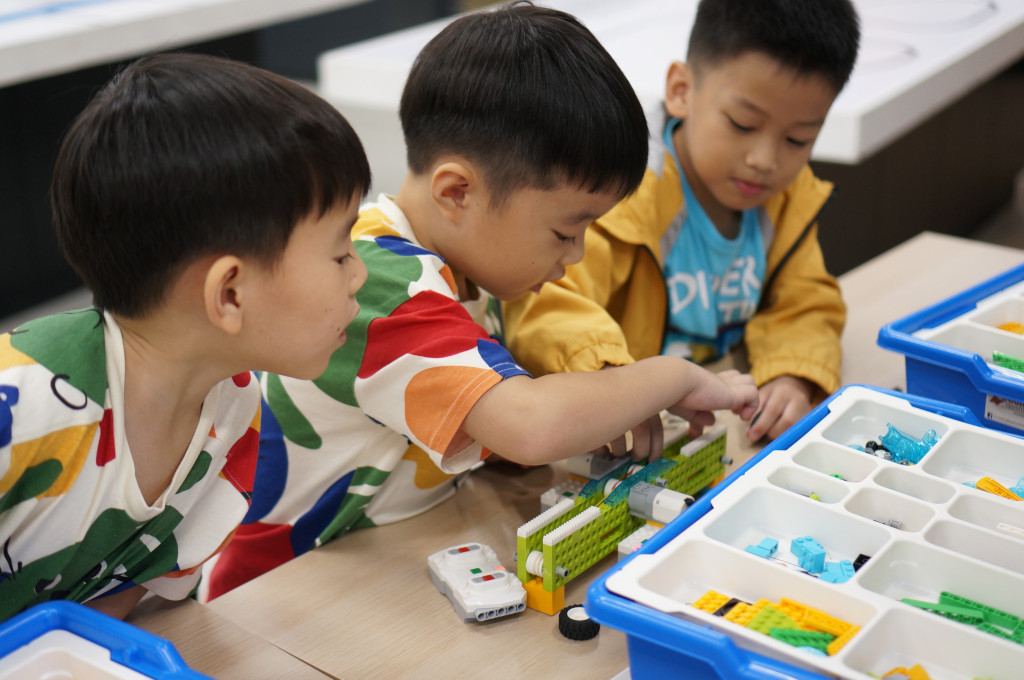
A robotics specialist since 2008, Nullspace keeps a small 1:5 ratio, so every child gets attention. For ages five to six, sessions are fully hands-on, with no on-screen coding. According to chief operating officer Edmund Koh, children get to sample a range of STEM platforms and discover where their own interests lie. A lesson on sharks, for instance, opens with a short video, then a step-by-step build using LEGO Technic, Bee-Bots, or circuit-building boards. Afterwards, children free-play to experiment and add their own ideas. Coding is introduced only from age seven, so the early years stay firmly screen-light.
Ages From 5 years
Where #01-72 Kallang Wave Mall | #03-07 Rochester Mall | #02-03 SAFRA Tampines
Web sg.nullspace.co
The Lab
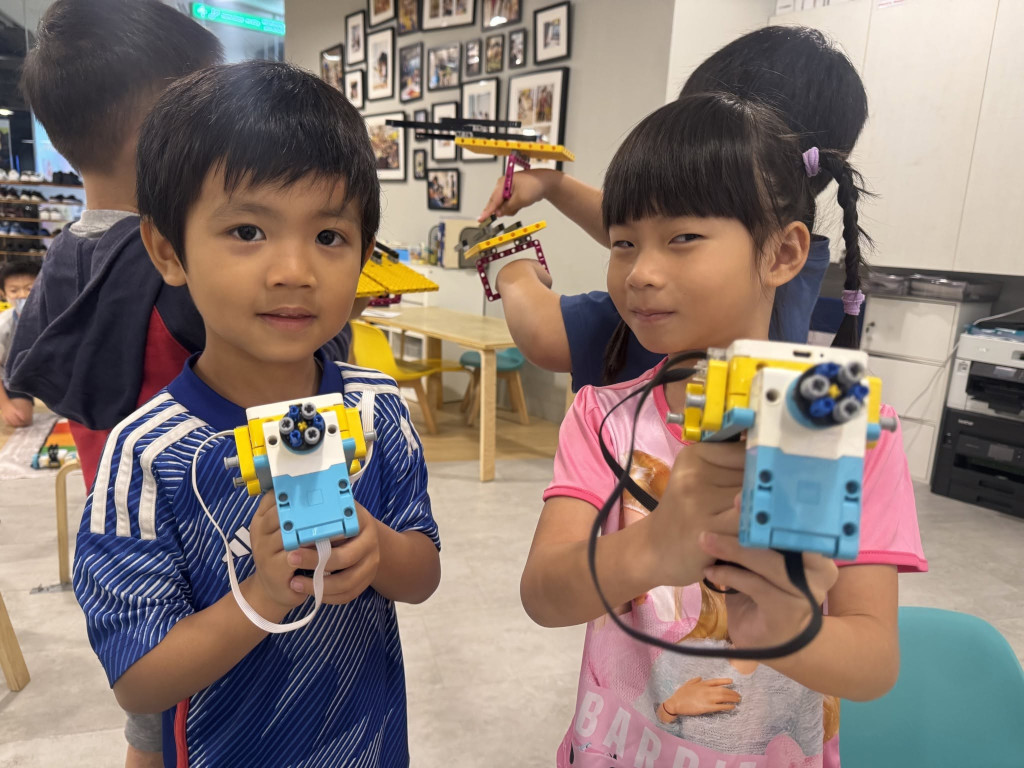
Founded in 2018, The Lab runs a tight 1:4 ratio and a ‘learning without boundaries’ approach. Children meet coding and robotics through play, storytelling, and building, often with screen-free coding cards. One lesson might challenge them to programme a robot across the room. When it turns the wrong way, there is usually laughter, then a fix. The Lab also keeps an unusually wide range of tools, so reinforcement rarely feels repetitive. The goal, says co-founder Adelene Fong, is to teach children how to think, so they grow into confident problem-solvers rather than passive users of technology.
Ages From 4 years
Where #03-07 Buangkok Square | #03-09 Goldhill Plaza | #03-01/02 KINEX | #08-13 Vision Exchange | #15-79 Woods Square
Web thelab.sg
(See also: 5 Essential 21st-Century Skills every Child Needs to Learn Today)
What to Ask When You Visit
A tech-forward preschool deserves the same scrutiny as any other. Whether you are attending a preschool open house or robotics trial session, these five questions help you tell meaningful technology use from screen time dressed up as learning.
- How much of the day is hands-on versus on a screen? The best programmes keep screen time short and shared. Most learning should still happen through play, talk, and building.
- Do children still get plenty of play, outdoor time, and conversation? Technology should sit inside a full, active day. It must never replace physical play, stories, or time outside.
- Is the technology active or passive? Look for children creating, coding, or solving problems, rather than watching something happen on a screen.
- What is the teacher doing when technology is used? An adult should guide and question throughout, not hand over a device and step back.
- How is my child’s data kept safe? Ask whether any identifiable information goes into public AI tools, and whether accounts are school-managed.
Featured image: Ednovation Group
All content from this article, including images, cannot be reproduced without credits or written permission from SingaporeMotherhood.
Follow us on Facebook, Instagram, Telegram, and TikTok for the latest article and promotion updates.
