SingaporeMotherhood | Pregnancy
October 2025
Pregnancy to Postpartum Skincare & Haircare: Expert Tips for New Mums in Singapore
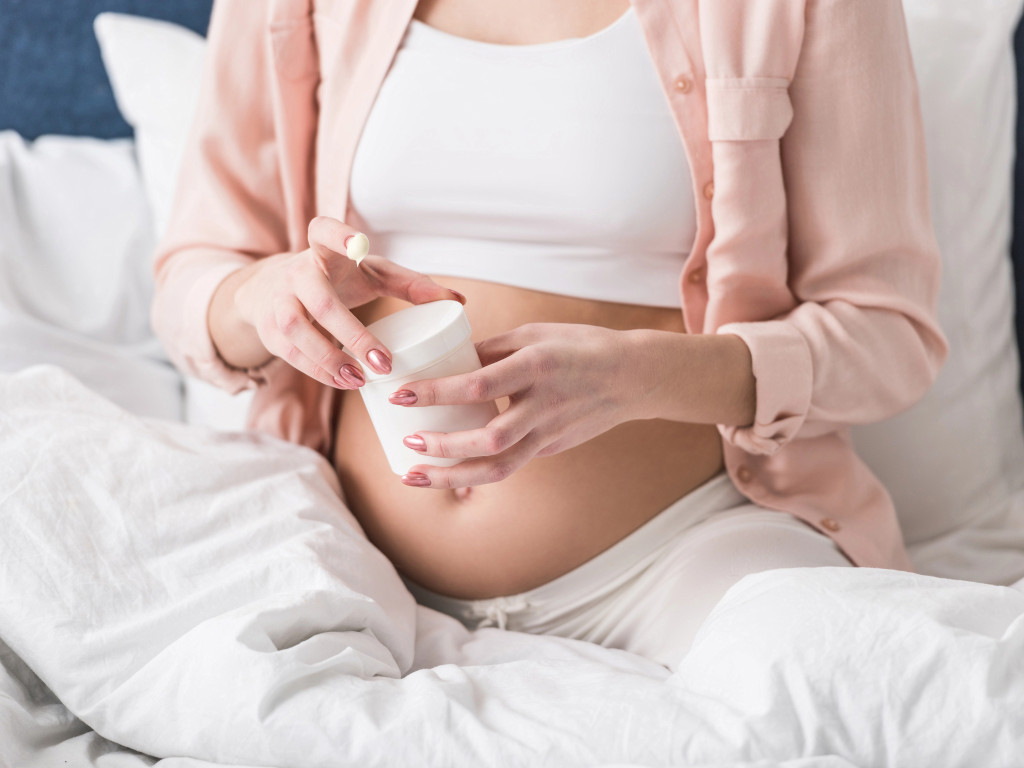
Pregnancy and new motherhood bring countless changes — not just in your daily routine, but also in how your skin and hair behave. From pregnancy skincare concerns like stretch marks, melasma, and acne, to postpartum haircare struggles such as hair loss and sensitivity, these shifts can take many mums by surprise. And in Singapore’s hot, humid climate, such changes can feel even more intense.
To help mums-to-be and new mums navigate this journey, we spoke with consultant dermatologist Dr Evelyn Tay. She explains what really happens beneath the surface, and offers insights and practical tips drawn from her years of treating women before, during, and after pregnancy.
(See also: Decoding Parent-Child Dynamics: Mummy Evelyn & Daughter Claire)
Hormones at Work
The key driver behind these transformations is, of course, hormones. “During pregnancy, we often see pigmentary conditions such as melasma, changes in moles, growth of skin tags, seborrhoeic keratosis, and red spots on the face known as cherry angiomas,” explains Dr Tay.

Stretch marks are common, and sometimes underlying pre-existing skin conditions flare up. Some women may even develop “new pregnancy-specific skin conditions, such as polymorphic eruption of pregnancy, which appears as itchy red rashes on the abdomen in the third trimester”.
After delivery, the hormonal landscape shifts yet again. According to Dr Tay, postpartum hair loss is very common, and some women may develop new-onset acne or eczema. These sudden swings can leave mums wondering what happened to their once-glowy skin or luscious pregnancy hair — but the truth is, they’re all part of the body’s natural adjustment process.
(See also: Pregnancy Developments and Discomforts: What to Expect during these 9 months)
The Glow — and the Not-So-Glowy Side
Not every mother experiences the radiant complexion often romanticised as the ‘pregnancy glow’. Dr Tay explains that this glow comes from increased blood flow, which gives skin a rosy hue, and a surge in hormones that boosts oil gland activity and hydration. “This leads to the plump, dewy appearance many women notice,” she says.

But there’s another side to the story. “In susceptible individuals, the same blood flow can aggravate conditions like rosacea, while increased oil gland activity may cause acne in pregnancy,” she notes. For some women, that glow translates into oiliness, breakouts, or even flare-ups of long-dormant skin sensitivities.
Common Skin Changes in Pregnancy
Stretch Marks
Stretch marks are one of the most talked-about skin changes during pregnancy. These appear as indented streaks when rapid stretching of the skin ruptures the collagen and elastin fibres that form the scaffold of the dermal layer. “They usually appear later on in pregnancy at the lower abdomen, hips, and breasts,” Dr Tay explains. “A healthy weight gain can minimise the risk, as can keeping skin well moisturised.”
After delivery, the reddish or purplish lines will gradually fade to skin colour, though treatments like pulsed dye laser can help speed up the process. Prescription-grade retinoid creams, injectable collagen stimulators, and radiofrequency microneedling can also help blend textural changes more smoothly into surrounding skin.
(See also: Best Prenatal & Postnatal Massage Services in Singapore)
Hyperpigmentation
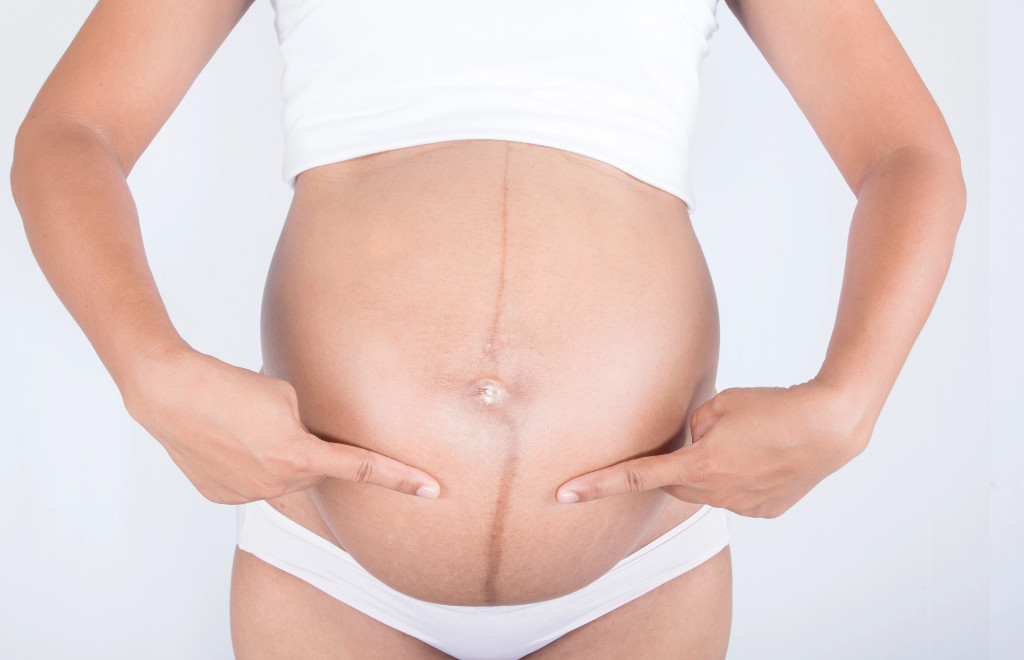
Pigmentation is another hallmark of pregnancy. Darkened nipples, linea nigra (the dark line down your belly), and brown patches of melasma are common pigmentation changes. The surge of hormones stimulates melanocytes — the pigment-producing factory in our skin — to go into overdrive.
Dr Tay emphasises that sun protection is crucial here. “A broad-spectrum, tinted sunscreen helps prevent worsening of melasma. Ingredients like azelaic acid, tranexamic acid, and niacinamide are generally safe, but hydroquinone and topical retinoids should be avoided in pregnancy.”
Acne and Sensitivity
And then there’s acne. For some mums-to-be, pregnancy brings on a wave of zits. “Pregnancy is a hyperdynamic state,” Dr Tay explains. “Increased blood flow to the skin and hormonal fluctuations also trigger oil gland activity, leading to skin sensitivities and acne.”

Safe management includes azelaic acid, topical clindamycin, and gentle mandelic acid peels. Your dermatologist may also prescribe oral antibiotics that safe for use in pregnancy if necessary. “To soothe sensitive skin, use gentle cream-based cleansers and hydrating moisturisers containing actives like niacinamide and ceramides. Opt for mineral sunscreens and avoid harsher agents like salicylic acid and retinoids,” she adds.
Her advice for acne-prone pregnant women in our climate? “Double cleansing the face is important to minimise congestion. Choose lightweight moisturisers to avoid clogging, and consider enzymatic cleansers for gentle exfoliation,” she suggests.
(See also: The Best Organic and Natural Skincare and Makeup for Pregnant and Breastfeeding Mums in Singapore)
Hair Highs and Lows
If there’s one change almost all mums notice, it’s their hair. During pregnancy, it often looks fuller and thicker. “Pregnancy hair refers to the appearance of thicker, fuller strands during pregnancy,” says Dr Tay. “Almost all women experience this, thanks to hormonal surges that keep more follicles in the active growth phase.”
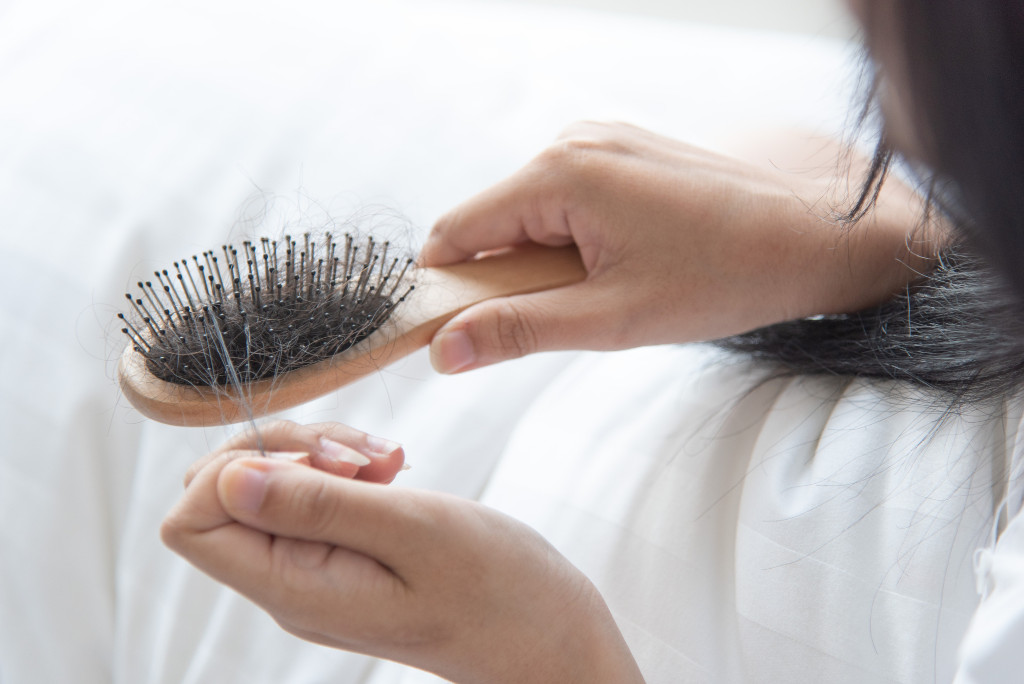
The flip side arrives months after delivery. Around three to six months postpartum, many mothers are shocked to see clumps of hair shedding. This is physiological and not preventable. It happens because hormone levels normalise and the hairs that were held in a prolonged growth phase now shift into resting and shedding. The good news is that it’s temporary. “Hair should return to its pre-pregnancy state within a year,” Dr Tay reassures.
What can mums do in the meantime? “In our climate, shampoo your hair daily to keep the scalp clean, as an unhealthy scalp can aggravate hair loss,” advises Dr Tay. For severe cases, she may recommend haircare supplements that are safe for consumption during breastfeeding or applying hair tonics such as minoxidil.
(See also: 8 Common Causes of Hair Loss and How to Prevent It with This 45-minute Treatment)
When to Seek Help
Most of these changes will improve naturally, but Dr Tay emphasises that mums don’t need to suffer in silence. “See a dermatologist when the condition doesn’t respond to over-the-counter topicals, or if changes are persistent and severe enough to affect your daily life or self-esteem,” she says.
Supplements & Diet
Many mothers wonder if supplements can help. “Yes, oral supplements for skin and hair do help to a certain extent,” Dr Tay affirms. “However, always check with your doctor to ensure they are safe during pregnancy or while breastfeeding.”
As for collagen, she is cautiously optimistic: “While there are studies to support improvements in elasticity and hydration, questions remain about whether results in animal studies apply to humans, and whether collagen peptides localise specifically to the skin or elsewhere in the body.”
Her advice is grounded in simplicity: “Consume a healthy, balanced diet, because a good diet is reflected in your skin, hair, and nails.”
(See also: 11 Prenatal Nutrition Tips for Mums-to-be (+ Bonus Recipe!))
A Note of Reassurance
For mums distressed by sudden changes in the mirror, Dr Tay’s message is clear and compassionate:
“The skin and hair changes will get better. There are lots of scientific, safe, and advanced treatments available now, so do seek help from a qualified doctor if in doubt.”
Motherhood is a season of transformation. While skin and hair may go through ups and downs, most changes are temporary and treatable. With patience, gentle care, and professional support when needed, you can embrace this journey — not just as a mother, but as a woman caring for herself, too.
 | Expert Resource Dr Evelyn Tay, founder of Lumine Dermatology & Laser Clinic, is an MOH-accredited skin specialist with over 15 years’ experience in dermatology, advanced skin surgery, and laser procedures. Skilled in managing complex skin, hair, and paediatric conditions, she also specialises in Mohs micrographic surgery for skin cancer. As a mum of three, she understands firsthand the skin and hair challenges mothers face. |
Featured image: Depositphotos
All content from this article, including images, cannot be reproduced without credits or written permission from SingaporeMotherhood.
Follow us on Facebook, Instagram, Telegram, and TikTok for the latest article and promotion updates.